

What is expansion joint waterproofing?
Expansion joint waterproofing is the sealing of movement joints so they remain watertight through repeated opening and closing. The right system depends on the joint width, the expected movement, whether the joint is horizontal or vertical, exposed to traffic or hidden under finishes, and whether water acts under pressure.
Common methods include backer rod with elastomeric sealant for narrow, accessible joints; flexible tape systems bonded with epoxy adhesive, such as Sikadur-Combiflex, for wide joints and joints under water pressure; and preformed seals or metal cover plates where joints carry traffic.
Benefits
- Allows structural movement without breaking the waterproofing
- Stops leaks at one of the most common entry points
- System chosen for joint width, movement and exposure
- Integrates with podium, terrace and basement membranes
Common problems and applications
Problems it solves
- Water leaking through the joint into parking or floors below
- Cracked, hardened or debonded old sealant
- Filler board rotting or washed out of the joint
- Leaks where the joint meets parapets or walls
- Joints between old and new buildings or wings opening up
Where it is used
- Podium and tower junctions
- Terrace expansion joints and wing-to-wing gaps
- Basement walls and slabs at structural joints
- Parking decks and ramps
- Joints in water tanks and STP structures
Our expansion joint waterproofing process
Survey the joint
We measure joint width, length and movement indications, check the old treatment and trace water entry along its full length, including vertical turn-ups.
Remove failed material
Old sealant, filler and damaged edges are removed and the joint faces are cleaned back to sound concrete.
Edge repair
Spalled joint arrises are rebuilt with epoxy or polymer mortar so the new system has a sound bonding surface.
Install the system
Backer rod and sealant, flexible tape with epoxy adhesive, or a cover profile is installed according to the joint design.
Detail ends and junctions
Turn-ups at parapets, walls and kerbs are completed so water cannot bypass the joint treatment.
Test and protect
Water testing where possible, then protection or finishes compatible with joint movement.
Materials and systems used
- Elastomeric sealants
- PU or polysulphide sealants with backer rod, for narrower accessible joints.
- Flexible tape systems
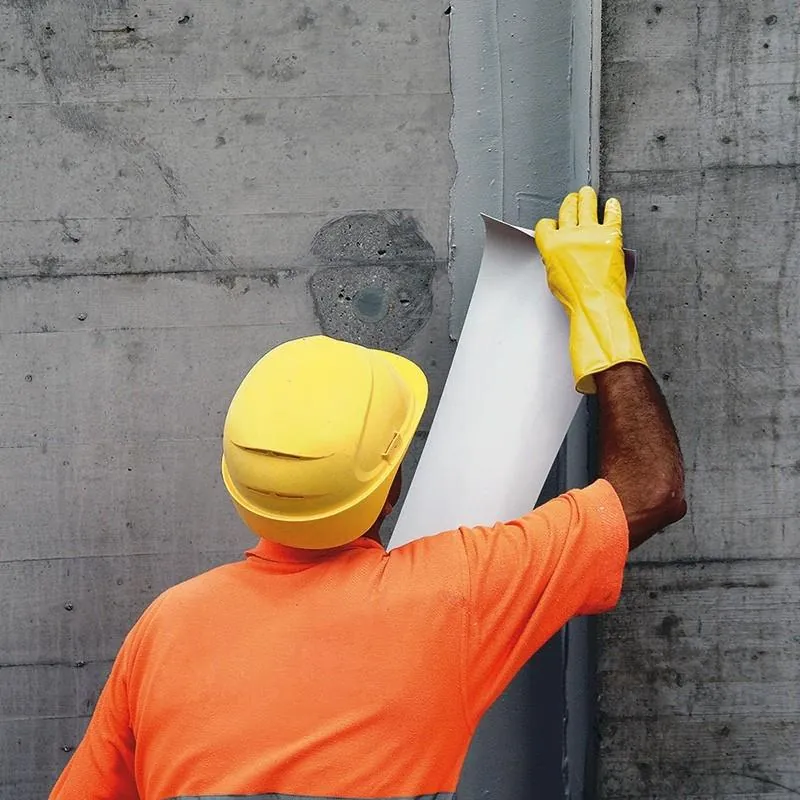
- Such as Sikadur-Combiflex, bonded with epoxy adhesive across wide or pressurised joints.
- Epoxy and polymer mortars
- For rebuilding damaged joint edges.
- Preformed seals and cover plates
- For trafficked joints on decks and ramps.
- Compressible filler boards
- Joint fillers placed behind the waterproofing layer.
Products are selected from the approved specification. Coverage, thickness and curing follow the manufacturer's current data sheet.
Why professional waterproofing is important
An expansion joint is designed to move, so rigid repairs such as mortar, cementitious coatings or ordinary sealant applied incorrectly crack within months. The treatment must accommodate the movement range and be properly bonded to sound edges.
Professional work measures the joint, chooses a system rated for the movement and exposure, prepares the edges and completes the ends where the joint turns up walls. Missing any of these leaves a path for water.
Why choose us
- Movement-rated systems
- We select products by joint width and movement, not by habit.
- Edge repair included
- Damaged arrises are rebuilt so the system bonds to sound concrete.
- Experienced with tape systems
- Our crews install Sikadur-Combiflex and similar systems to the manufacturer's method.
- Integrated with membranes
- Joint treatment ties into podium, terrace or basement waterproofing.
Read more about our team and how we inspect and record work.
Work photographs
Frequently asked questions
Which material is used for expansion joint waterproofing?
It depends on the joint. Narrow, accessible joints are sealed with a backer rod and an elastomeric polyurethane or polysulphide sealant. Wide joints, joints that move a lot or joints under water pressure are better treated with a flexible tape system bonded with epoxy adhesive, such as Sikadur-Combiflex. Joints that carry traffic need a preformed seal or a metal cover plate.
Why does my expansion joint keep leaking after sealing?
Usually because the sealant was not rated for the movement, the edges were weak or dirty, or the joint was too wide for a sealant alone. Wide or pressurised joints often need a tape system.
What is the difference between expansion joint treatment and Combiflex?
Combiflex is one type of expansion joint system: a flexible tape bonded with epoxy adhesive. It is used where joints are wide, under water pressure or need a robust, durable seal. See Combiflex expansion joint waterproofing.
Can expansion joints be treated from below?
Some leaks can be reduced from below, but a lasting solution normally needs treatment from the water side, above on a podium or terrace, or the outside face on a wall.


