

What is Combiflex expansion joint waterproofing?
Sikadur-Combiflex is a joint sealing system made up of two parts. The tape is a flexible, modified polyolefin (FPO) membrane available in different thicknesses and widths. The adhesive is a two-part Sikadur epoxy, applied to prepared concrete on each side of the joint.
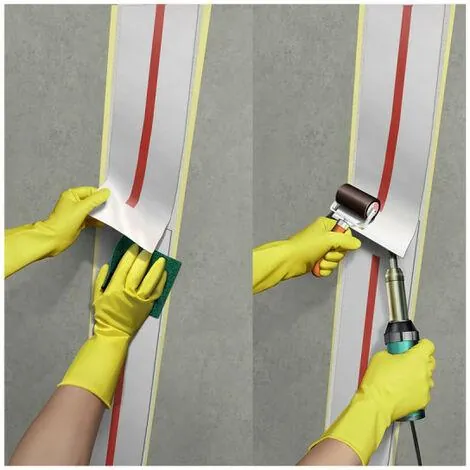
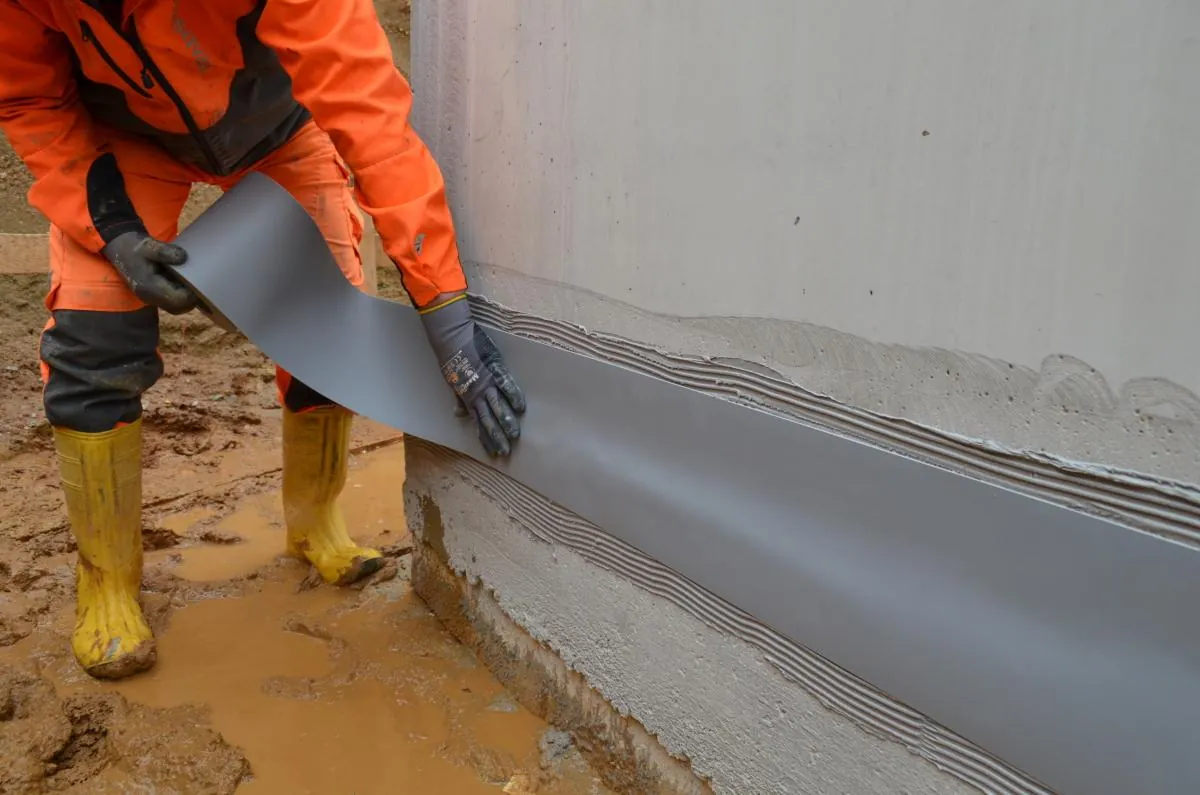
The tape is pressed into the first layer of adhesive, leaving a free, unbonded centre over the joint, often formed as a loop for larger movements. A second layer of adhesive covers the bonded edges. Tape lengths are joined by hot-air welding, so long joints and corners are continuous.
Benefits
- Bridges wide joints and accommodates significant movement
- Suitable where water acts under pressure, including below ground
- Strong bond to concrete through epoxy adhesive
- Continuous seal along long joints and around corners by hot-air welding
Common problems and applications
Problems it solves
- Expansion joints too wide for sealants
- Joints that have repeatedly failed after sealant repairs
- Leaking construction joints and cracks in tanks and basements
- Joints between existing and new structures
- Joints in areas that cannot be accessed often for maintenance
Where it is used
- Basement wall and slab expansion joints
- Podium and terrace expansion joints
- Water tanks, STP tanks and reservoirs
- Construction joints and moving cracks
- Joints at junctions of old and new buildings
Our Combiflex expansion joint waterproofing process
Joint assessment
We measure joint width and movement, check that the edges are sound and confirm tape grade and width.
Surface preparation
The concrete is ground or blast-cleaned to expose sound, dry material on both sides. Damaged edges are rebuilt with epoxy mortar.
First adhesive layer
Sikadur epoxy adhesive is applied along both sides of the joint, keeping the joint centre free.
Tape installation
The tape is pressed into the adhesive with a roller, leaving the centre unbonded or looped over the joint.
Welding and covering
Tape overlaps are hot-air welded. A second adhesive layer covers the bonded edges.
Inspection and protection
Bond and welds are inspected. The system is protected from mechanical damage where it will be exposed.
Materials and systems used
- Sikadur-Combiflex tape
- Flexible, weldable FPO-based tape in thickness and width suited to the joint.
- Sikadur epoxy adhesive
- Two-part epoxy that bonds the tape to concrete.
- Epoxy repair mortar
- For rebuilding damaged joint edges before installation.
- Hot-air welding equipment
- For joining tape lengths and forming corners.
Products are selected from the approved specification. Coverage, thickness and curing follow the manufacturer's current data sheet.
Why professional installation is important for Combiflex
Combiflex performs well only when it is installed to the method: ground, dry and sound concrete; adhesive mixed and applied within its working time; the tape bonded at the edges and free at the centre; and every overlap properly welded. A shortcut on any of these, such as bonding the centre or skipping grinding, removes the system's ability to move or bond.
An authorised applicator follows the manufacturer's method statement and records each stage, which is also what consultants and Sika technical teams expect to see.
Why choose us
- Authorised Sika applicator
- We install Combiflex to Sika's documented method.
- Welding equipment and trained crews
- Overlaps and corners are welded on site, not taped over.
- Edge reconstruction
- Damaged joints are rebuilt before installation so the bond is reliable.
- Experience across structures
- Basements, podiums, tanks and STPs, each with its own detailing.
Read more about our team and how we inspect and record work.
Work photographs
Frequently asked questions
When should Combiflex be used instead of sealant?
When the joint is wide, the movement is significant, water acts under pressure or sealants have failed before. It is also preferred where joints are hard to access for regular maintenance.
Can Combiflex be installed on wet concrete?
The concrete must be dry and sound for the epoxy to bond properly. Active leaks are first controlled by injection before installation.
Can Combiflex be covered with tiles or screed?
Yes, with protection appropriate to the area and a detail that keeps the free centre able to move. We design the cover detail with the overall finish.
Is Combiflex only for expansion joints?
No. It is also used on construction joints and on cracks that move. See construction joint waterproofing.


